 info@haifaoman.com
 +968 22005703 / 22005704


Innovations in LPG Cylinder Manufacturing
Introduction
In a time when we need to conserve more power & stay safe, LPG cylinder manufacturing is now a significant field that brings us cleaner and safer fuel options. LPG is used in homes, restaurants, hotels, & work sites. It burns more cleanly than coal, wood, or oil, & you can move it easily. It’s an essential energy source in both developed and developing regions.
However, the safety, durability, and efficiency of gas cylinders are as essential as the LPG itself. A badly manufactured cylinder can cause gas leaks, explosions, and supply interruptions, which no residential or industrial gas operation can afford.
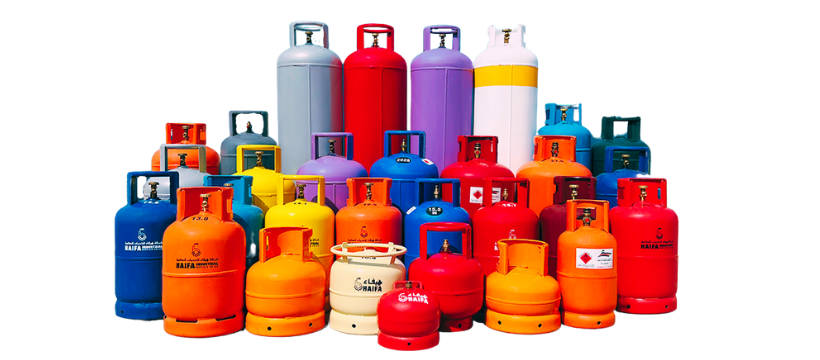
Over the past decade, significant improvements have enhanced the performance of LPG gas. Now, cylinders are lighter, stronger, safer & “smart.” With new stuff & rust-free coats for IoT links, these advancements are shaping the future of the industry and raising the standards for gas cylinder suppliers worldwide. This article covers the development of LPG gas cylinder manufacturing, the most recent advancements, and the advantages these developments offer to suppliers, customers, and businesses in countries such as the USA, South Africa, Nigeria, Oman, and the Middle East.
The Evolution of LPG Cylinder Manufacturing
One of the top new things in LPG gas manufacturing is the start of IoT-enabled smart cylinders. These parts have built-in sensors that keep an eye on
- Gas levels (so users know when to order a refill)
- Pressure changes (to detect irregularities)
- Temperature fluctuations (which can indicate unsafe conditions)
- Leak detection (alerting users before accidents occur)
Smart cylinders send data to phone apps or straight to the LPG gas services provider. It lets auto refills & quick safe checks. For restaurants, hotels, and industrial gas users, this technology reduces downtime and stops disruptions.
Key Innovations in LPG Cylinder Manufacturing
The times when LPG cylinders were welded and assembled by hand are gone. Now, top manufacturers use:
- CNC machining for precision cutting
- Robotic welding arms for consistent, notch welds
- AI quality inspection systems help to detect even microscopic flaws
This automation not only improves safety but also ensures consistent quality—important for markets like the USA, UAE, South Africa, Oman & Nigeria, etc, where rules are extremely strict.
Benefits of Innovations for Different Stakeholders
For Consumers
- Enhanced convenience and safety: New materials make cylinders safer. Better valves also make them easier to handle.
- Longer-lasting: These strong designs resist rust. They do not wear out quickly. The cylinders last a long time.
- Cost savings: This longer life means you spend less on repairs. You also do not need to buy new ones often.
For Gas Cylinders Suppliers and Manufacturers
- Stronger Market Reputation: When you offer new, high-quality cylinders, customers will trust you more. You will build lasting connections with them.
- Reduced Service and Repair Costs: These durable designs have fewer problems. This means lower repair costs for your business. It also makes your customers much happier.
- Complete Regulatory Alignment: Modern cylinders are built for high quality. They also follow strict safety rules. This helps companies sell new products without trouble. It also means fewer legal problems.
For the Industrial Gas Sector
- Better Workplace Safety: Stronger cylinders make workplaces safer. This includes places like factories and construction sites. They help reduce dangers for workers.
- Optimized Stock Control and Logistics: Cylinders that are strong and light are also good for businesses. They are easier to transport. This also makes it simpler to manage how many are in stock.
Challenges faced in the manufacturing of LPG cylinders:
- Major Investment in Emerging Technologies: Businesses must manufacture cylinders using more modern methods. They require contemporary materials as well. The expense of buying this new machinery and materials is too high for most companies to upgrade their factories. They do not have the money to make this big of an adjustment.
- Complicated Regulatory Environment: Selling LPG cylinders to other countries is also a challenge. Many nations have their requirements. These deal with product safety. They also ensure items follow local laws. Countries in the Middle East set specific guidelines. The United States has its own rules. South Africa and Nigeria also have different ones. These varied demands make it hard for companies to sell their products.
- Transforming LPG Manufacturing for a Greener Future: In order to satisfy the increasing demands of the environment, the future will prioritize environmentally friendly resources, more environmentally friendly production techniques, and energy-efficient manufacturing.
How Haifaoman Embraces Innovation in LPG Cylinder Manufacturing
At Haifaoman, we’re passionate about keeping your energy needs safe, reliable, and efficient. From homes to restaurants to industrial sites, our LPG gas cylinders are built to deliver dependable performance while caring for the planet.
Our commitment includes:
- Advanced Technology:
- Haifa Oman always invests in new ways to build cylinders. This makes them work better. It also makes them safer and more efficient, too.
- We use special materials. We build our cylinders very carefully. This means they last a long time. They also work very well.
- Customer service, safety, and quality:
- We have high standards for quality. Every item we make meets these standards. Our team follows strict safety rules.
- This protects industrial places and also protects the people who use our products.
- We have the best customer service and get along well with everyone we work with.
- An Invitation to Interact:
- We provide LPG solutions for many uses. These include industrial, commercial, and home needs.
Please contact us if you need reliable LPG services. We are happy to help you.
Recent Comments